Skip to content
AIRVOLT

Solar

Tesla Solar Panels

Low-profile generation, engineered to disappear

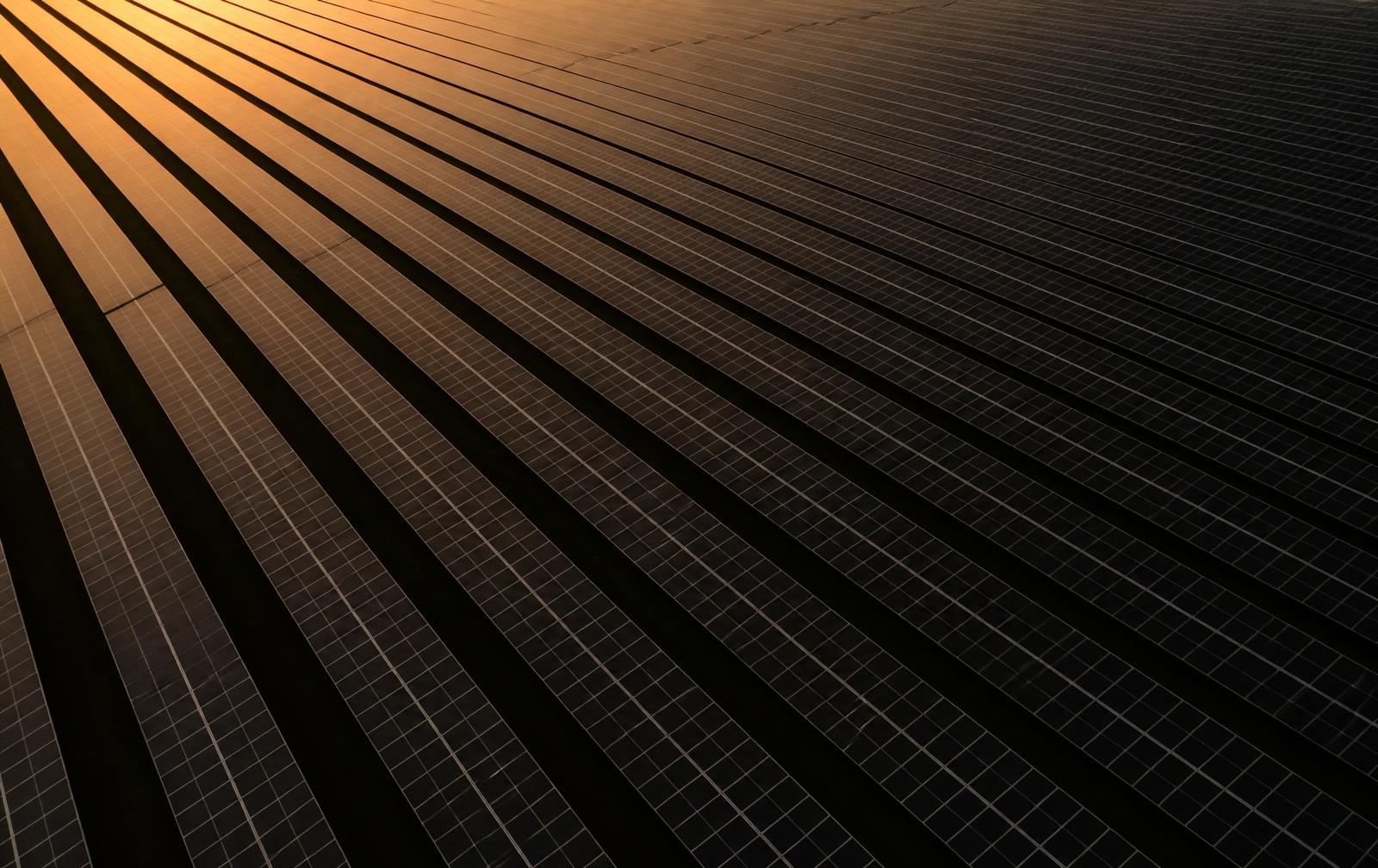
High-efficiency monocrystalline modules installed with concealed mounting hardware, integrated flashing and full electrical protection — designed to look like part of the architecture, not an afterthought.

Tesla Solar Panels

Generation designed around the building

Every AIRVOLT array begins with a digital survey of the roof: azimuth, inclination, obstructions, structural capacity and the shading horizon across the full solar year. We model production hour by hour so the array is sized to the real load profile of the building rather than to the available roof area.

  • 3D roof capture and structural verification
  • Hourly irradiance and shading simulation across 12 months
  • Module-level layout optimised for aesthetics and yield
  • String design balanced for inverter MPPT windows

Cell and module technology

We specify monocrystalline PERC, TOPCon and heterojunction (HJT) modules depending on temperature coefficient, roof area and budget. Half-cell architecture reduces resistive losses and improves partial-shade behaviour; bifacial modules are used on flat roofs and canopies where albedo gain is real rather than theoretical.

  • TOPCon: higher bifaciality, lower degradation, best value per kWh
  • HJT: superior temperature coefficient for hot southern climates
  • Half-cell: reduced hotspot risk and better shade tolerance
  • Bifacial: 4 – 12 % additional yield on reflective flat roofs

Conversion and protection

String inverters, microinverters or DC optimisers are selected per project. Every installation includes DC and AC surge protection, string fusing where required, an accessible DC isolator, firefighter rapid shutdown and a dedicated earthing and equipotential bonding scheme compliant with IEC/EN standards and the Spanish REBT.

Yield, monitoring and guarantees

Production is monitored per string and per phase, with automated alerting on underperformance. Our performance guarantee is written against a simulated P50 yield, so the number in the proposal is the number you can hold us to.

Let's engineer your energy system.

Send us a year of electricity bills and a photo of your roof. We return a full engineering proposal with modelled production, savings and payback.