Skip to content
AIRVOLT

Energy storage

Tesla Powerwall, explained properly.

The most comprehensive Powerwall guide we could write: what it does every hour of the day, what it needs from your electrical installation, and what it is genuinely worth.

01

What Powerwall actually is

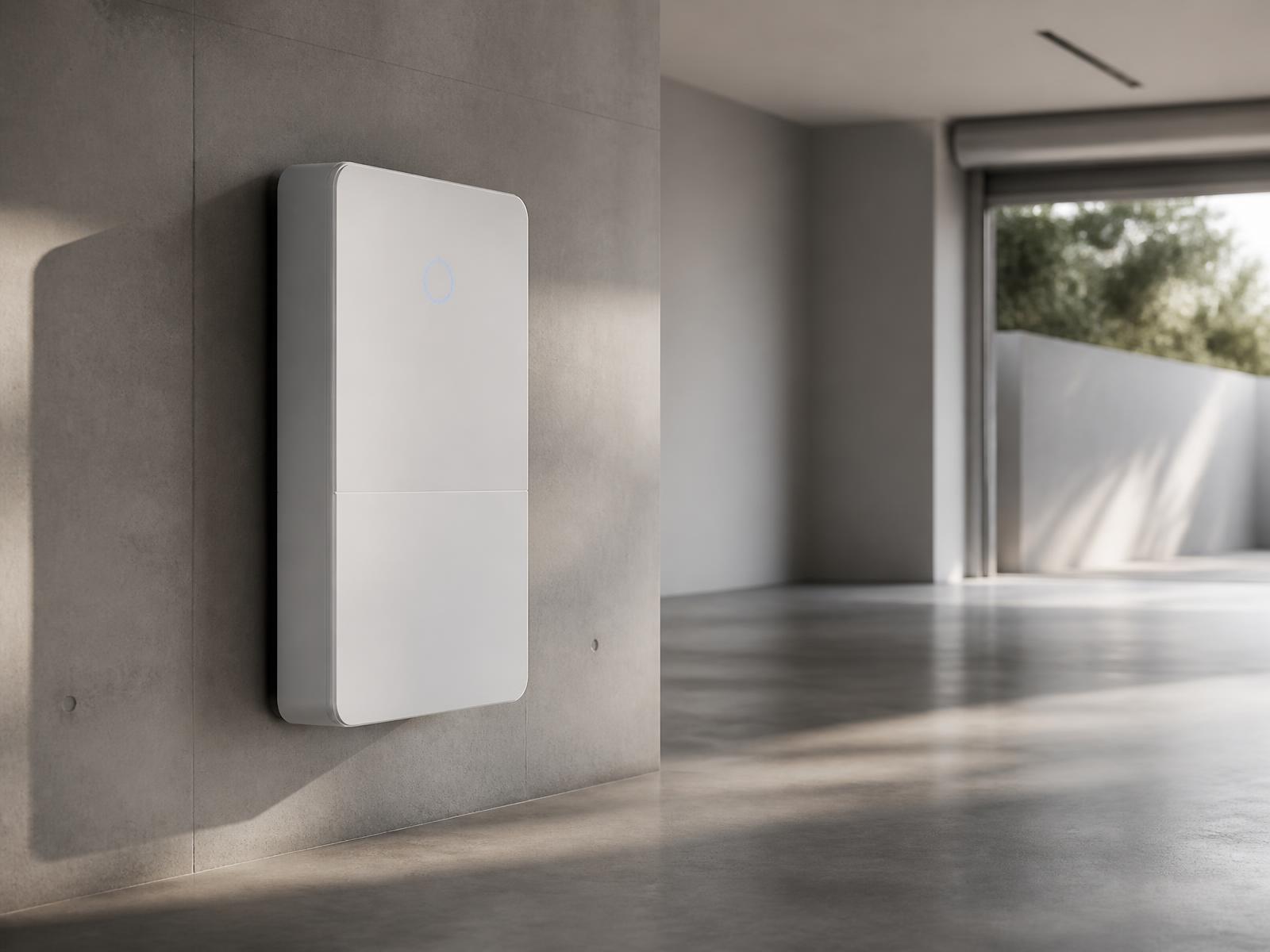
A fully integrated lithium-iron-phosphate battery system with its own inverter, thermal management, safety systems and control software. It is not a battery you wire into an inverter; it is a complete subsystem that participates in the operation of the building.

02

Powerwall 2 versus Powerwall 3

Powerwall 2 is AC-coupled with 5 kW continuous output — ideal for retrofitting to an existing solar installation. Powerwall 3 integrates a 6-MPPT solar inverter, accepts up to 20 kW of DC solar directly and delivers 11.5 kW continuous, which changes what backup means in a modern all-electric home.

  • New solar + storage project → Powerwall 3
  • Retrofit to existing PV with a healthy inverter → Powerwall 2
  • High simultaneous load (heat pump, AC, induction, EV) → Powerwall 3
  • Very large capacity requirement → multiple units of either generation
03

Chemistry and safety

Lithium-iron-phosphate offers thermal stability, long cycle life and a cobalt-free supply chain. The pack is liquid-cooled, IP67 rated, rated for indoor and outdoor installation, and monitored continuously by a battery management system that balances cells and limits current at temperature extremes.

04

Whole-home backup

With a Backup Gateway, transfer to island operation happens in milliseconds. With Powerwall 3's 11.5 kW output, most homes no longer need a reduced essential-loads panel. Where load exceeds that figure, units are stacked or a load-shedding schedule is designed with you before commissioning.

05

Installation and electrical requirements

We verify main breaker rating, board capacity, earthing arrangement, RCD selectivity and metering position, then issue a single-line diagram before ordering. Installation is typically one day for a single unit including the Gateway.

  • Site survey and single-line diagram
  • Backup Gateway and CT metering installation
  • Grid-code compliant commissioning
  • Certification, app onboarding and mode training
06

Scalability

Up to ten units on a residential installation, expanding both energy capacity and power output linearly. Commercial installations scale further through parallel groups with a supervisory controller.

07

Daily operation and charging strategy

Self-consumption mode maximises the use of your own generation. Time-based control adds tariff arbitrage on dynamic pricing. Backup reserve sets the floor the system will never discharge below. Storm Watch overrides everything when severe weather is forecast.

08

Virtual power plant participation

Where a VPP programme operates, your reserved backup capacity remains untouched while the surplus is offered into network support events, generating a credit per dispatched kilowatt-hour. Participation is opt-in and visible in the app.

09

Warranty, lifespan and economics

Ten-year warranty with unlimited cycles in solar self-consumption mode. Field data shows meaningful capacity retention well beyond that. Typical residential payback in southern Europe is six to nine years, improving substantially with dynamic tariffs, capacity charges or frequent outages.

Interactive

How many Powerwalls does your home need?

Sizing follows evening consumption and the backup autonomy you actually want.

Powerwall Sizing Calculator

How many units your home actually needs, based on evening consumption and the backup autonomy you want from your critical circuits.

14 kWh
12 h
1.4 kW
Recommended units
2 × Powerwall
Usable capacity
27.0 kWh
Continuous power
23.0 kW
Powerwall 3
Backup autonomy
19 h

Let's engineer your energy system.

Send us a year of electricity bills and a photo of your roof. We return a full engineering proposal with modelled production, savings and payback.